


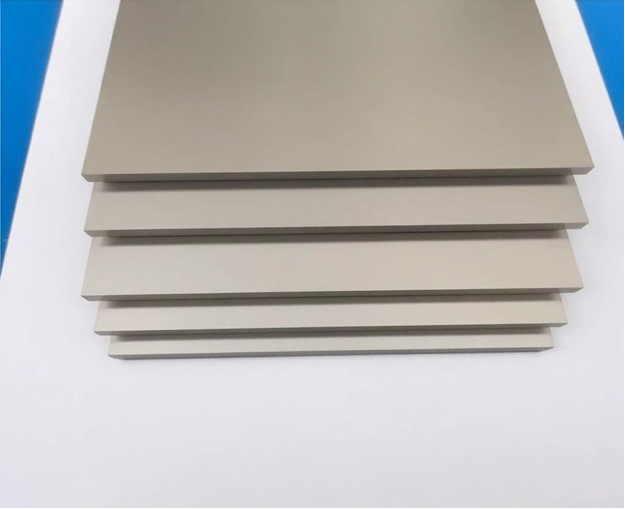
Industrial systems that operate at high temperatures require materials that can maintain strength, resist thermal stress, and perform reliably over time. In such environments, standard materials often fail due to heat exposure and chemical reactions. This is why advanced materials like molybdenum sheets and silicon carbide pipes are widely used in high-temperature industrial systems.
Each of these materials offers unique advantages that make them suitable for different applications. Understanding their performance helps engineers and industrial buyers select the right solution for demanding conditions.
Challenges in High-Temperature Systems
High-temperature environments create several challenges for industrial materials. Components may expand, weaken, or degrade over time. Rapid temperature changes can also cause cracking or failure.
To handle these conditions, materials must provide thermal stability, strength, and resistance to environmental factors. Molybdenum and silicon carbide are two materials that meet these requirements in different ways.
Overview of Molybdenum Sheet
Molybdenum is a refractory metal known for its very high melting point and excellent performance at elevated temperatures. A molybdenum sheet is commonly used in applications where materials must retain strength under intense heat.
Molybdenum sheets are widely used in furnace systems, aerospace components, and high-temperature processing equipment. Their ability to maintain structural stability makes them valuable in demanding industrial environments.
Key Properties of Molybdenum Sheet
Molybdenum sheet offers several important advantages in high-temperature systems. It has a very high melting point, which allows it to perform in extreme heat conditions without losing its structure.
It maintains strong mechanical properties at elevated temperatures, making it suitable for load-bearing applications. It also has good thermal conductivity, which helps distribute heat efficiently within the system.
However, molybdenum can oxidize in open air at high temperatures, so it is often used in controlled or vacuum environments.
Overview of Silicon Carbide Pipe
A silicon carbide pipe is a ceramic component designed for applications that involve high temperatures, wear, and chemical exposure. It is widely used in industrial systems where materials must withstand both thermal and mechanical stress. Silicon carbide pipes are known for their durability and ability to perform in harsh environments.
Key Properties of Silicon Carbide Pipe
Silicon carbide pipes offer several advantages in high-temperature applications. It provides excellent resistance to heat and can maintain its structure even under extreme temperatures.
It has strong resistance to thermal shock, allowing it to handle rapid temperature changes without cracking. It also offers high wear resistance, making it suitable for systems that handle abrasive materials. In addition, it provides good resistance to chemical corrosion.
Applications in Industrial Systems
Molybdenum sheet is commonly used in furnace components such as heating elements, shields, and structural supports. It is also used in vacuum furnaces and aerospace systems where high-temperature strength is required.
Silicon carbide pipe is widely used in chemical processing systems, furnace operations, and industries that involve abrasive materials. It is often used to transport high-temperature gases and fluids.
In some systems, both materials may be used together. Molybdenum provides structural strength in controlled environments, while silicon carbide handles heat and wear in exposed conditions.
Key Differences to Consider
The main difference between a molybdenum sheet and a silicon carbide pipe lies in their material type and performance characteristics. Molybdenum is a metal that offers strength and stability in controlled environments, especially where vacuum or low-oxygen conditions are present.
Silicon carbide is a ceramic that performs well in open-air environments and provides resistance to thermal shock and wear. Another important factor is mechanical behavior. Molybdenum can handle mechanical stress more effectively, while silicon carbide is more brittle.
How to Choose the Right Material
Choosing between a molybdenum sheet and a silicon carbide pipe depends on the specific requirements of the application. If the system involves extreme heat in a controlled environment, molybdenum is often the better choice.
If the application involves exposure to heat, abrasion, and rapid temperature changes, silicon carbide is more suitable. Engineers should evaluate temperature range, environmental conditions, and mechanical requirements before making a decision.
Conclusion
Molybdenum sheets and silicon carbide pipes are essential materials for high-temperature industrial systems. Each offers unique advantages that make it suitable for different applications.
By understanding their properties and differences, engineers and industrial buyers can select the right material to improve performance, reduce maintenance, and ensure long-term reliability in demanding environments.