


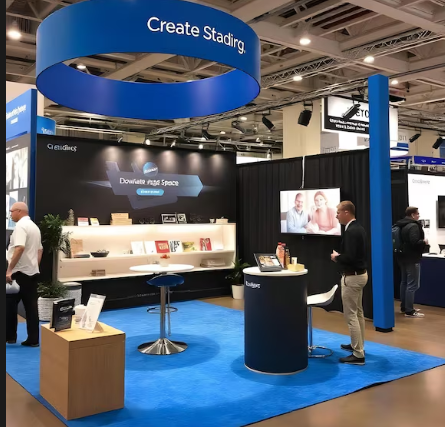
Many businesses assume buying a trade show booth automatically saves money. At first glance, the idea sounds practical. Own the display once, reuse it repeatedly, and avoid rental fees at future events. Though trade shows rarely stay predictable for long.
One year, a business attends regional expos. The next year involves larger conventions in different cities. Marketing priorities shift, booth sizes change, and audiences expect something different. This is often the moment businesses begin questioning whether ownership still makes sense.
For many exhibitors, flexibility slowly becomes more valuable than permanence. That shift explains why Trade Show Booth Rentals continue becoming more common across industries attending multiple events yearly. Sometimes the smartest option is not ownership.
The Ownership Question
Buying a booth usually feels like a long-term investment. Though ownership brings responsibilities many businesses do not consider immediately.
A display rarely stays untouched after purchase. Graphics need updates. Branding changes. Booth sizes may feel outdated for larger events. Transport costs begin adding up once exhibitions happen across different locations. Then there is storage. Large exhibit materials often require space between events, which becomes another expense businesses must manage.
Ownership works for some companies. Though for exhibitors attending changing event schedules, permanent setups sometimes create limitations.
What Changes After A Few Events
Trade shows often evolve faster than expected. A booth that works perfectly during one exhibition may feel less effective six months later.
Some businesses eventually realize:
-
One display does not fit every audience
-
Event spaces vary significantly
-
Marketing campaigns change regularly
-
Product launches need different layouts
-
Networking events require different booth experiences
This becomes especially noticeable for businesses attending conventions in different cities.
What feels practical early on sometimes becomes harder to manage later. That shift often changes how exhibitors approach planning.
When Renting Starts Making Sense
This is where Exhibit Rentals often become more practical.
Instead of adjusting one permanent display repeatedly, rental solutions usually allow businesses to choose setups based on event goals.
Some events benefit from:
Larger Branding Areas
Especially during high-traffic conventions.
Smaller Conversation Spaces
Useful for networking-focused events.
Demonstration Areas
Helpful for product launches and presentations.
Flexible Layouts
Better suited for changing venue sizes.
For exhibitors attending several trade shows yearly, this flexibility often removes unnecessary pressure.
A booth strategy that adjusts more easily usually creates fewer compromises.
The Cost Conversation
Businesses often compare renting and buying only through upfront pricing. Though costs rarely stop there.
Ownership may include:
-
Storage expenses
-
Shipping costs
-
Repairs after repeated setup
-
Graphic updates
-
Booth redesigns over time
Rental solutions sometimes reduce several of these responsibilities. That practical difference often matters more after multiple events. Especially when schedules become busier.
Beyond Booth Appearance
Trade show preparation usually involves more than booth design alone.
Businesses already manage:
-
Staff coordination
-
Travel planning
-
Marketing materials
-
Venue deadlines
-
Event logistics
Adding permanent exhibit management sometimes increases complexity. For some exhibitors, rental support creates a simpler process. Less time spent managing booth problems often means more time focused on conversations, partnerships, and networking during events. That practical advantage sometimes gets overlooked.
Making The Decision
No single approach works for every business. Companies attending the same event repeatedly may prefer ownership.
Businesses attending different exhibitions, changing audiences or evolving campaigns often benefit from more flexibility. Trade shows rarely stay identical. Exhibit strategies often work better when businesses have room to adapt alongside changing goals.
Sometimes the better question is not:
“Should we own a booth?”
But:
“What option helps us stay flexible?”
What Businesses Often Overlook
Many exhibitors focus mainly on booth appearance when comparing renting and buying. Though appearance rarely becomes the only factor affecting event performance.
Businesses often overlook questions like:
-
Will the booth still fit future campaigns?
-
Can layouts adjust for different venues?
-
How difficult will transport become after multiple events?
-
Will updates feel expensive later?
These questions often become more important after attending several trade shows.
A booth that feels practical today may feel limiting later.
That usually changes how businesses think about exhibit planning.
Flexibility Over Time
Businesses attending multiple events yearly often discover that trade show schedules rarely stay consistent. One season may involve smaller conferences focused on networking. Another may bring larger exhibitions requiring stronger branding and product visibility. Because of this, flexibility often becomes part of long-term planning.
Many exhibitors eventually prefer solutions that allow easier adjustments instead of committing to one permanent setup. Trade shows change. Marketing goals change. Audience expectations change too. Exhibit strategies often work better when businesses can adapt alongside those changes.
Conclusion
Trade show planning often becomes easier when businesses choose exhibit solutions that support changing event needs rather than fixed expectations. Flexible Exhibit Rentals frequently help exhibitors adjust booth size, layouts, and branding more easily across different conventions. For businesses attending multiple events throughout the year, Trade Show Booth Rentals may offer a more practical balance between presentation, convenience, and adaptability. Companies preparing for evolving exhibition schedules can also explore exhibit support through Global Exhibit Rentals, where flexible booth solutions continue helping businesses manage changing event demands more efficiently.